The quiet chirping of birds and the hum of insects fill the air as a plant leaf sways in the breeze. Beyond the forest’s moss-covered hills, a waterfall spills into a stream. Further along the coast, an orange-brown field separates a village from the sandy shore.
A woman begins naming the places shown on screen. “This is t̓ɩšosəm,” she says, explaining that the name means milky waters from the herring spawn.
She calls out other names in ʔayʔaǰuθəm, the ancestral language of the ɬaʔamɩn (Tla’amin) Nation. She describes places along the Sunshine Coast — a little sandy beach (qʷɛqʷɛyqʷɛy), where orcas stop in the bay (qʷoqʷneɛs), and a place of refuge (ƛaʔamɛn) where her people would shelter from strong winds. Each name offers a glimpse of the landscape and its relationship with the people who know it.
“Language is so intertwined with the landscape here,” she explains. “The sounds came from the landscapes, the shapes of the mountains, the way that our audio bounces back to us. It all comes from the land.”
This connection to the land opens a door to deeper questions about history, identity, and reconciliation in təm kʷaθ nan (Namesake), a film exploring what a place name means to the people who call it home.
təm kʷaθ nan (Namesake) follows the unfolding discussion around a possible name change for the city known as Powell River. The city’s name honours Israel Wood Powell, a government official in the 1860s whose policies helped establish residential schools, criminalize cultural practices, and forcibly remove the Tla’amin Nation from its home at tiskʷət. The Tla’amin Nation asks the city to consider changing its name.
Indigenous place names carry knowledge of the land and waters. They can describe geographical features, identify places where people gathered food, or tell stories about the places and the life they sustain. They help people understand where they are, what lives there, and how to move responsibly through the land.
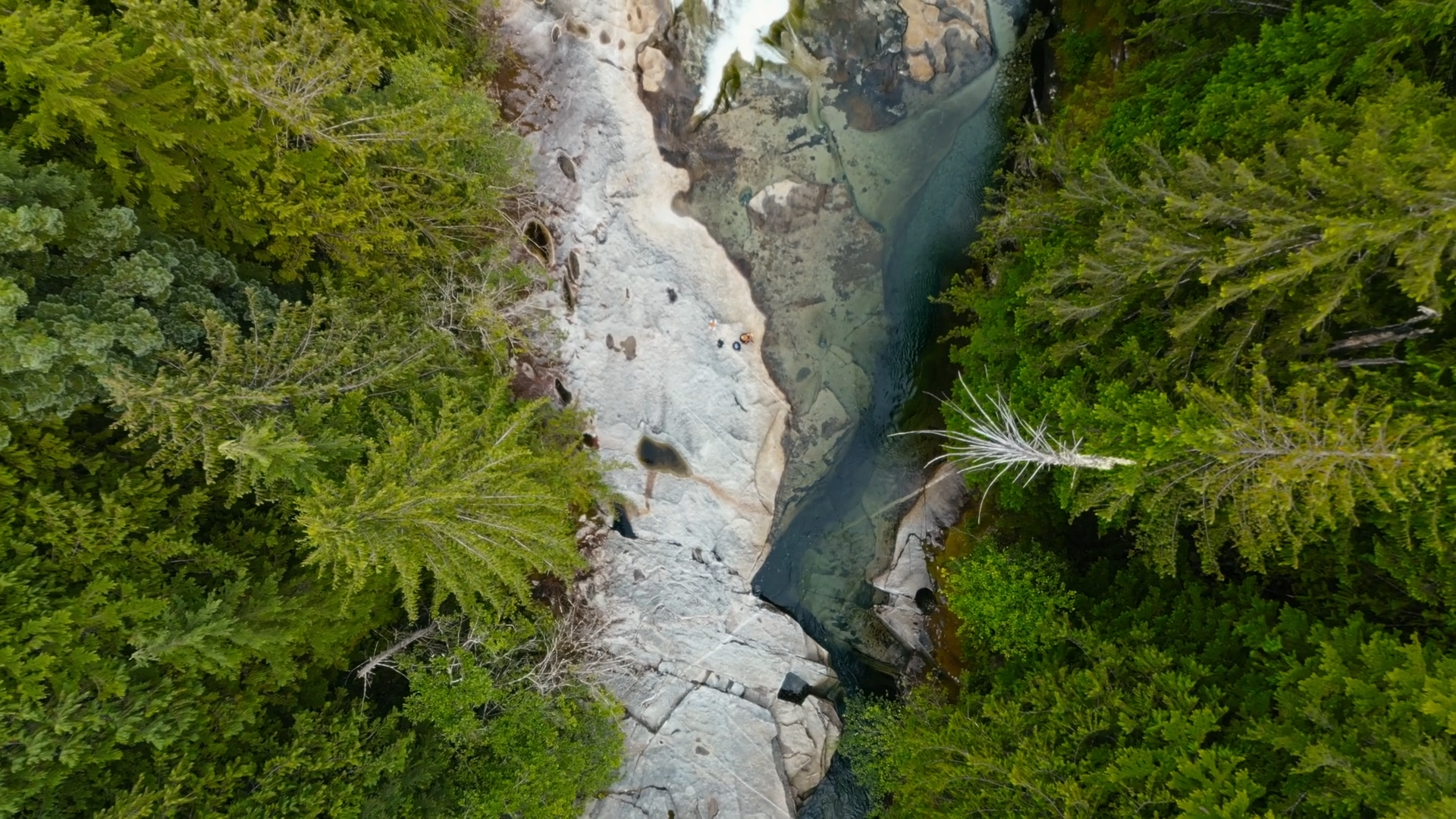
Sacred headwaters of the Eldred River in Tla’amin territory.
Colonial powers remapped and renamed Indigenous lands across Turtle Island (known as North America), often after white men who are no longer a part of these lands. They imposed new names as part of broader efforts to dispossess Indigenous Peoples, suppress their cultures, and undermine their identities.
The Tla’amin Nation and other Indigenous communities are working to reclaim their place names and revitalize their languages and cultures.
“Centering Indigenous realities is crucial to me,” says Dr. Evan ƛɛsla Adams, who co-directed the film with Eileen t̓agəm Francis, both from the Tla’amin Nation. “Our way has many beautiful pieces to it that deserve the light of day. Why would I hide our light under a bushel? Why would I erase our histories, in our own territories, including that of my parents and their experiences?”
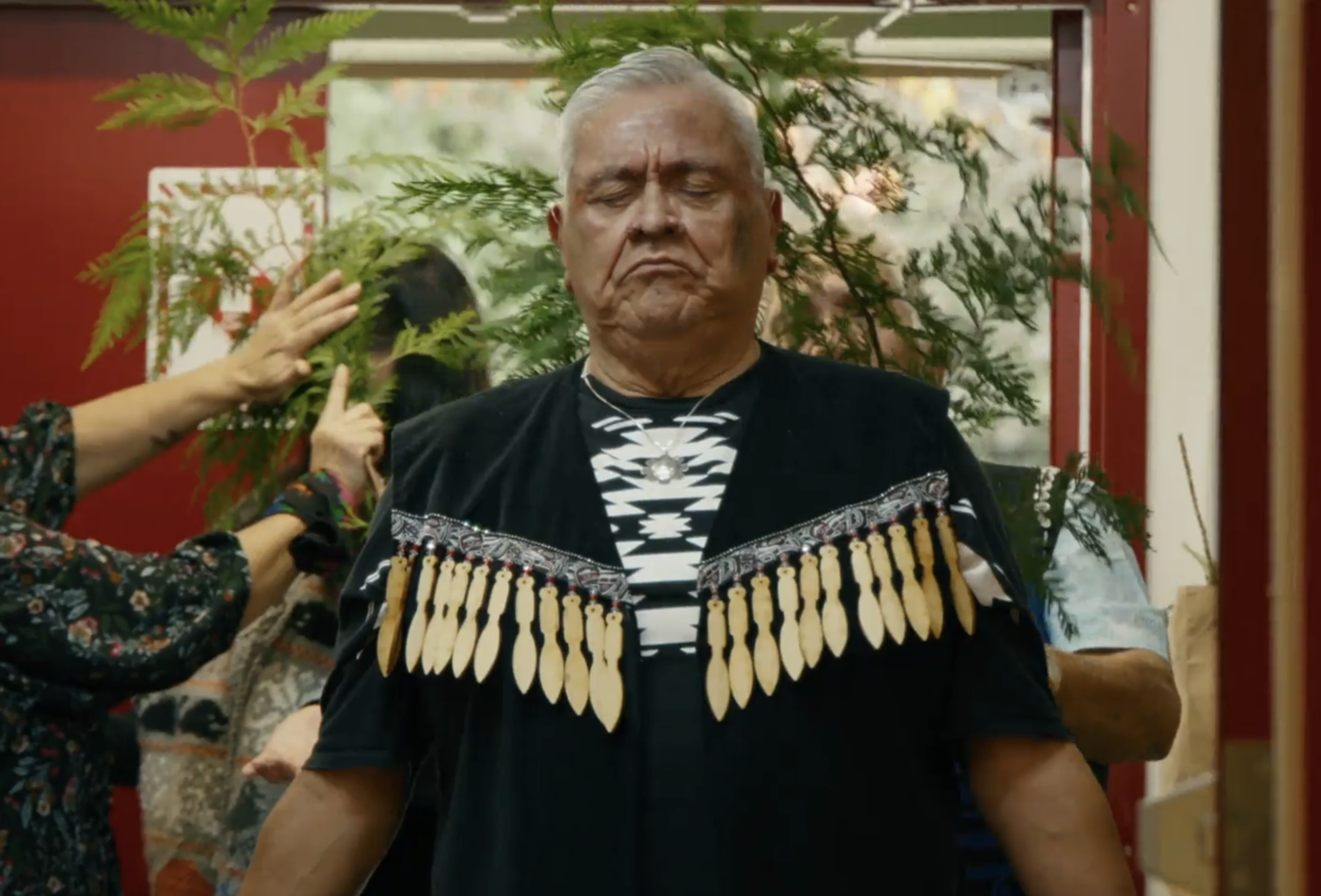
Andy Johnson is brushed as he enters a traditional Tla’amin naming ceremony.
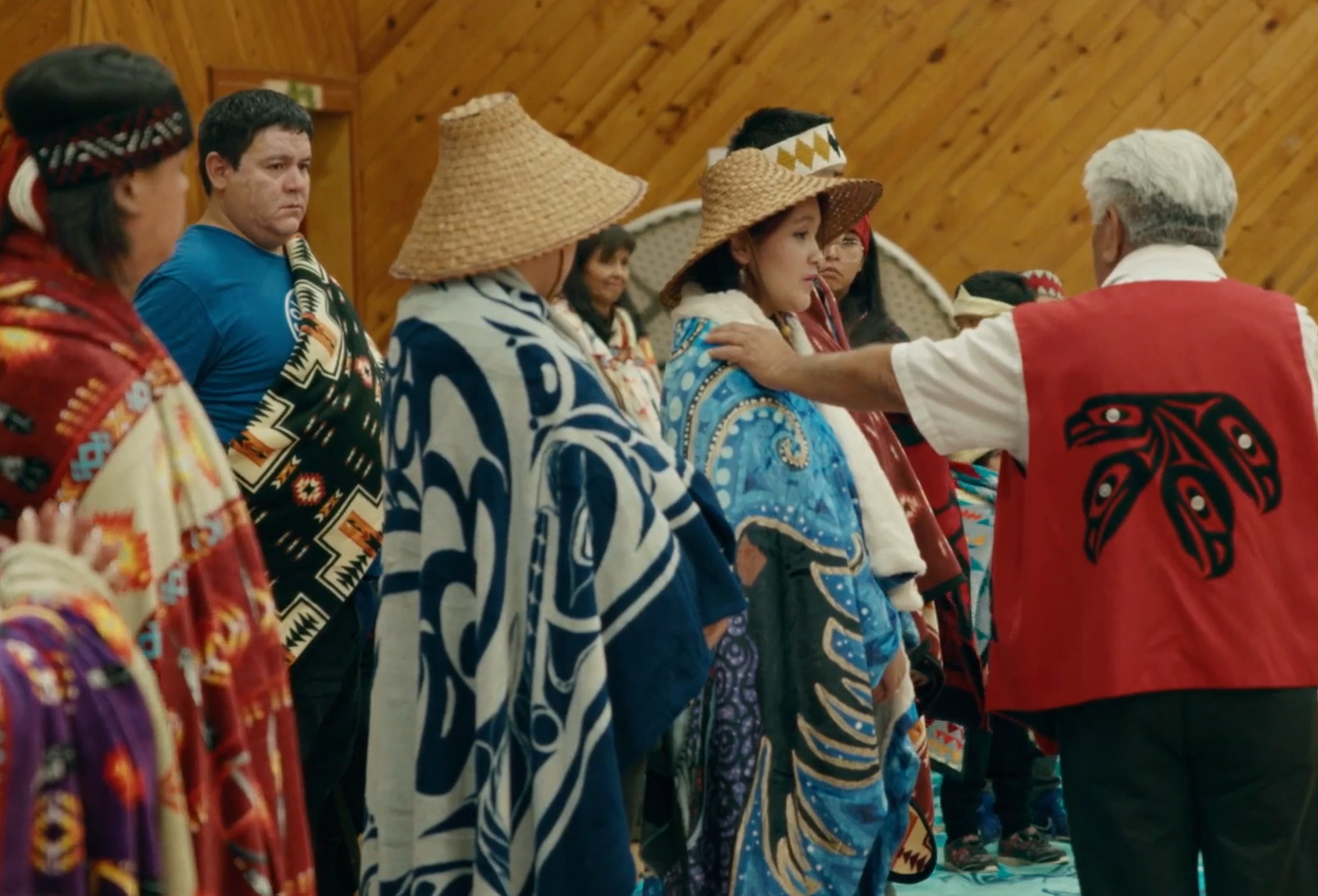
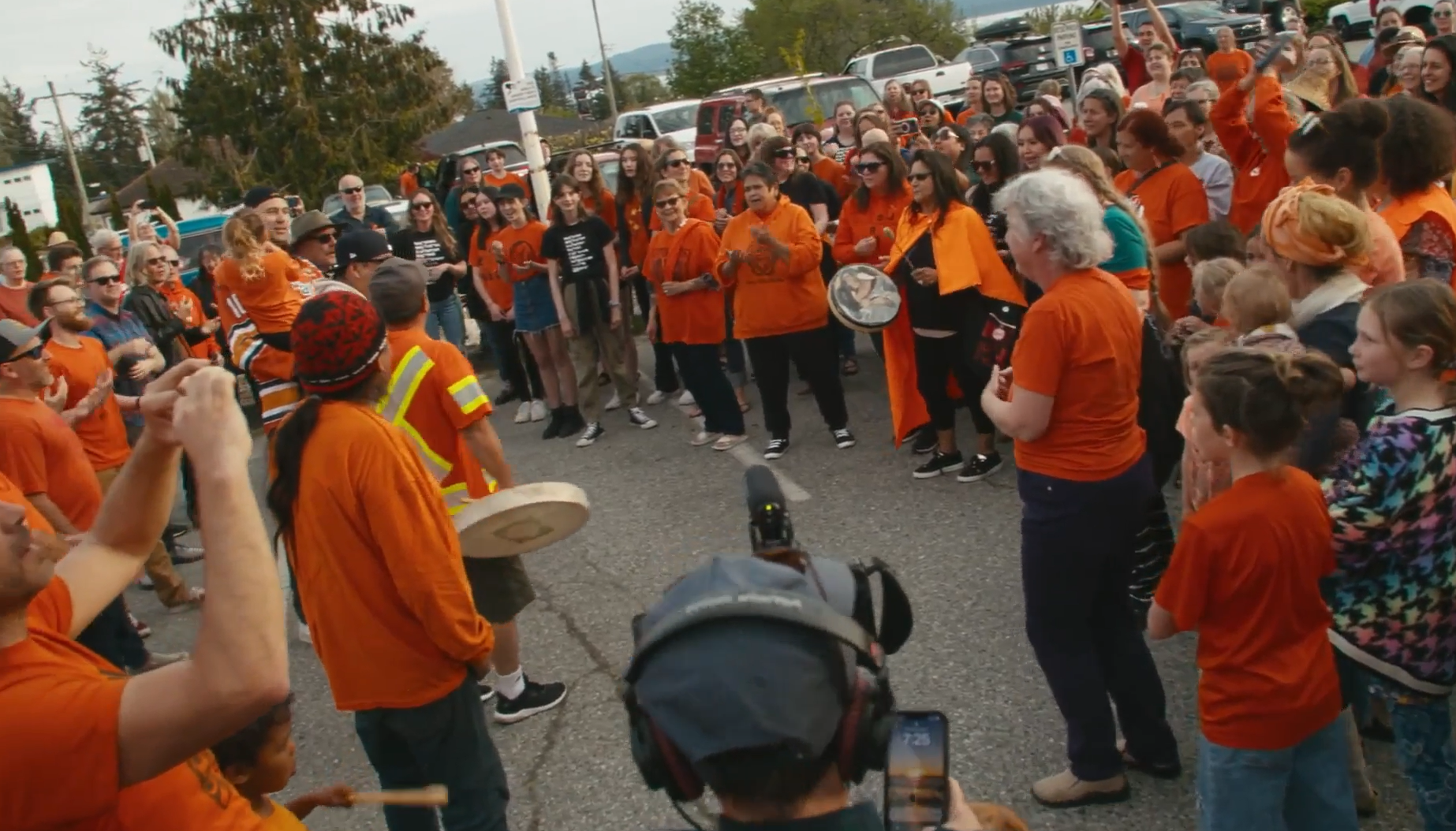
Participants in a traditional Tla’amin naming ceremony.
The request to change the city’s name opens up a much wider discussion. As the film follows public meetings and community gatherings, residents grapple with the region’s history, the legacy of colonialism, and what reconciliation means in practice.
The film also reveals a troubling strain of residential school denialism — the rejection or minimization of established facts about Canada’s residential school system. Some community members challenge the history and experiences that the Tla’amin Nation brings forward.
“Some of the naysayers — the people who can’t deal with the fact that Indigenous People talk about our rights and title, our lands and waters, our traumatic experiences under colonization — have been so toxic,” says Evan. “There are even some people who claim to be researchers who say they’re truth seeking by denying residential school realities and survivor testimonials. It’s bizarre to me.”
For Evan, residential school denialism is part of a broader problem of misinformation.
“I think spreading different kinds of misinformation is part of the same playbook,” continues Evan. “Some of the same people who are spreading misinformation about vaccines are spreading misinformation about Indigenous People, residential schools, as well as misinformation about trans people and immigrants. It’s disruptive and unsafe. If we really are ethical researchers, we have to be able to say this anti-woman rhetoric, this anti-Black rhetoric, this anti-trans rhetoric, this anti-Indigenous rhetoric in our midst has to stop.”
While some residents resist the call to reconsider the city’s name, the film shows a strong group of non-Indigenous allies standing alongside the Tla’amin Nation. They champion the name change, speak up for residential school survivors, recognize Indigenous histories and knowledge, and understand the importance of being in relationship.
“One of the things that I found most surprising about the film was discovering the beauty of allies,” says Evan.
“There were people who really saw us and heard us. Powerful and wonderful allies who had no problem hearing our perspective. They could live with the intersection of their history and our history. They spoke in a very sophisticated way about reconciliation, addressing historical wrongs, and being a good neighbor.”
For Evan, the support shown by these allies points to a central purpose of the film: helping everyday Canadians understand how they can take part in reconciliation. While governments, institutions, and organizations are making efforts toward reconciliation, individuals may have fewer opportunities to explore what reconciliation looks like in their own lives and communities.
“Canadians can learn from what the community in Powell River is going through in this film,” says Evan. “This is something that we really need to show, so everyone can learn from it rather than all of us going through the brutality and the weirdness of what seems so simple: a two-word name change.”
təm kʷaθ nan (Namesake) offers a powerful way to bring Indigenous experiences and perspectives to audiences who may never have encountered them before.
“I’m very excited that non-Indigenous people are lifting their heads and seeing us, hearing us, walking with us,” says Evan.
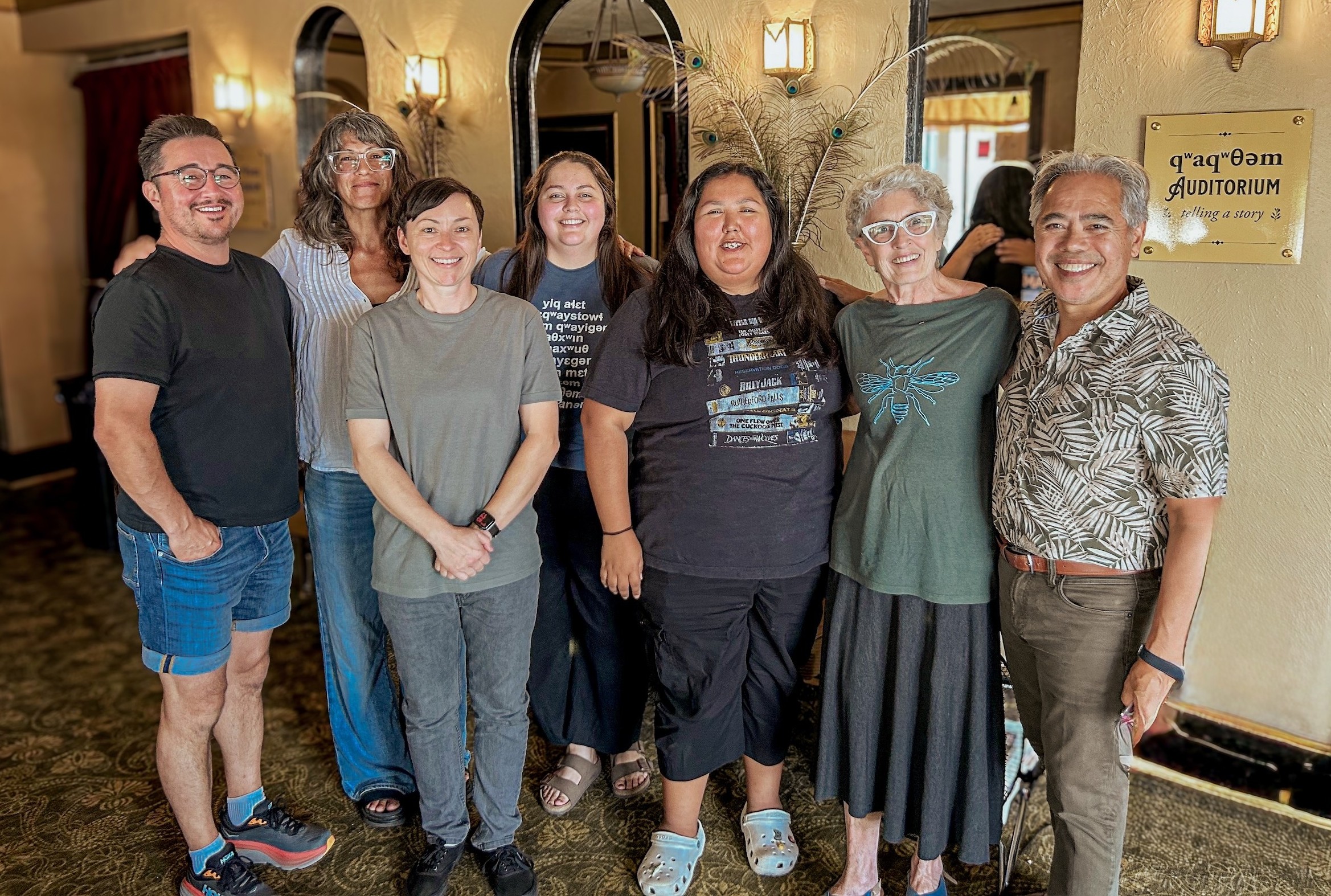
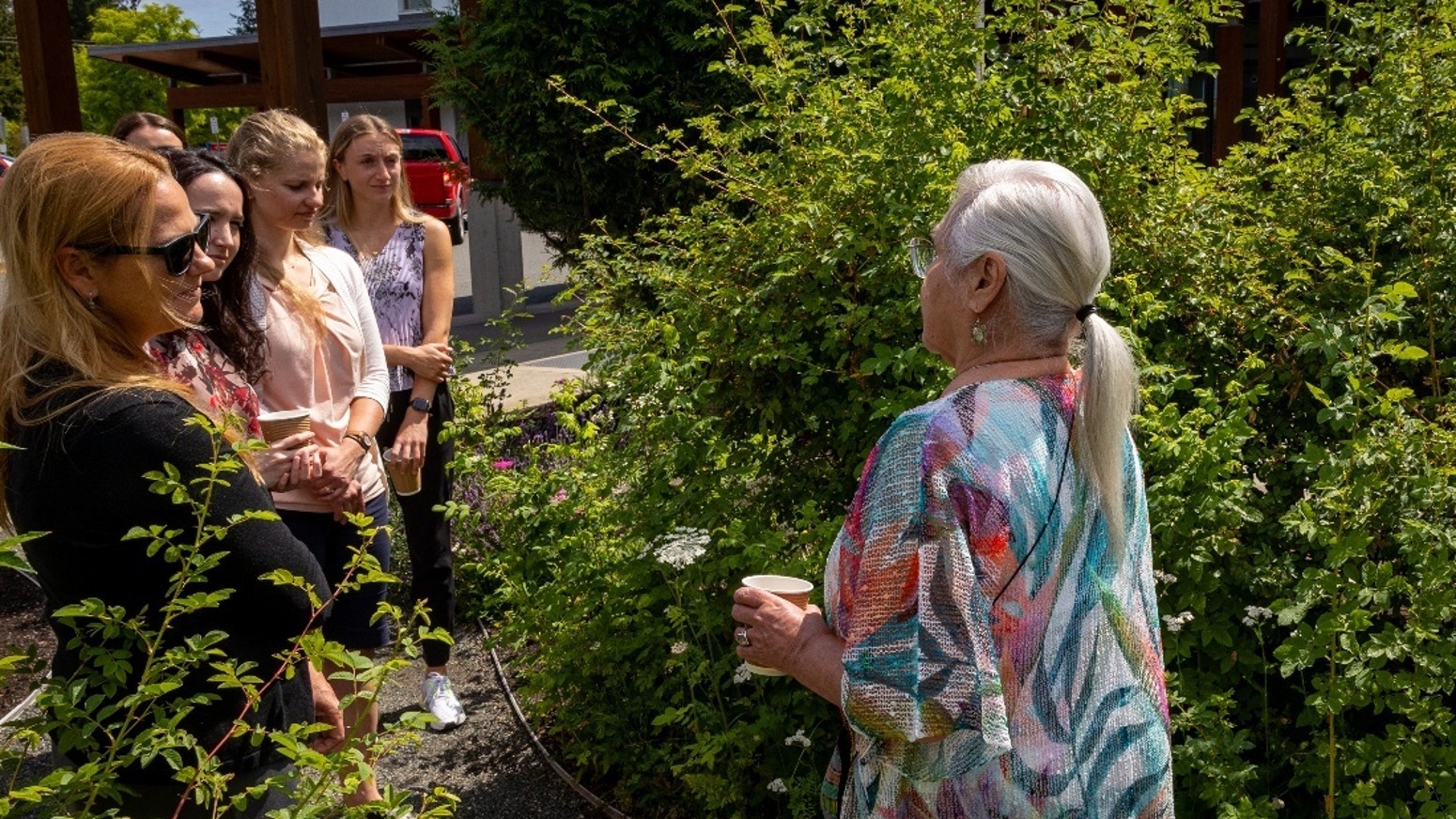
The film crew (L to R): Davis aʔǰɛmaθot McKenzie, Claudia Medina, Angela Kendall, Emily White, Eileen t̓agəm Francis (co-director), Peg Campbell, and Dr. Evan ƛɛsla Adams (co-director).
“They’re saying ‘I can take an anti-racist stance. I can be inclusive and share power, authority, and resources.’”
Evan hopes the film will continue to help audiences learn from Indigenous storytellers and understand their own role in reconciliation.
“A good story should take you to a dark place and through again and make you smarter and better without you actually having to go through that experience yourself,” says Evan. “I hope the film helps us all continue to be a multicultural, pluralistic success story. And Canada is an extraordinary success story. I’m proud of us collectively.”
Learn more
- Request a screening of təm kʷaθ nan (Namesake) for your organization or community through the film’s website.
- Dig deeper into Tla’amin territory place names at qathet Museum & Archives.
Photos courtesy of Tla’amin and Ally Filmmakers.
How do you pronounce it?
t̓ɩšosəm – tee sho sum
ʔayʔaǰuθəm – ay ay a ju thum
ɬaʔamɩn – tlah ah men
qʷɛqʷɛyqʷɛy – qweh qwee qwey
qʷoqʷneɛs – qwok ness
ƛaʔamɛn – klah ah men
təm kʷaθ nan – tum kwuth nun
tiskʷət – tees kwut
ƛɛsla – tles lah
t̓agəm – ta gum
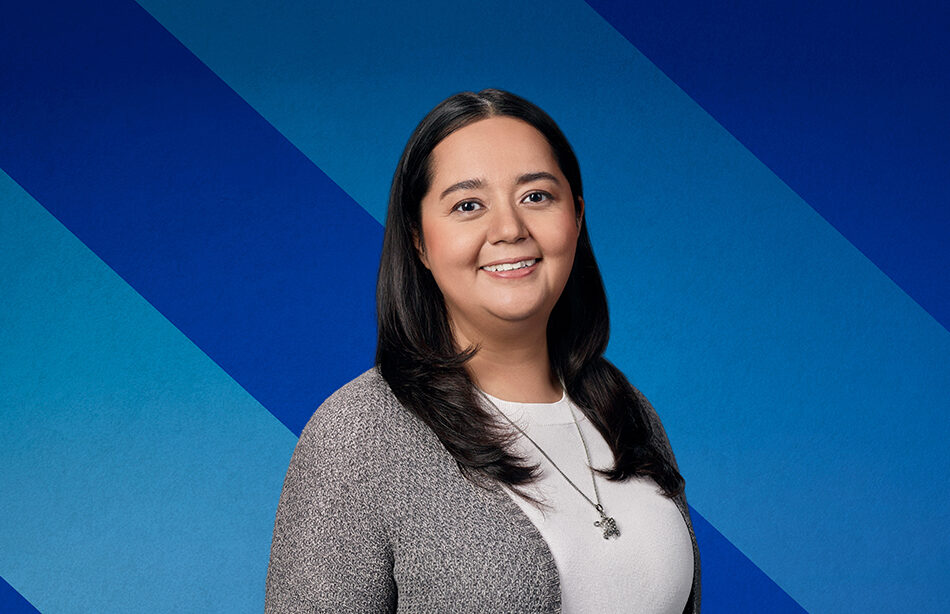
Evan Adams
Dr. Evan ƛɛsla Adams is a Coast Salish actor and physician from the Tla’amin Nation. Evan has won multiple acting awards from the American Indian Film Festival, First Americans in the Arts, the Academy of Canadian Cinema and Television, and the Independent Spirit Awards.
In addition to his career in the arts, Evan served as Deputy Provincial Health Officer for the BC Ministry of Health and Deputy Chief Medical Officer of Public Health at Indigenous Services Canada. He was named the 2024-25 Canadian Harkness (research) Fellow in Health Care Policy and Practice. He is currently the Deputy Chief Medical Officer at the First Nations Health Authority. Evan is also a past member of the Board of Directors at Michael Smith Health Research BC.
With more than 30 years of experience as a motivational speaker, Evan offers perspectives from Indigenous realities, academia, medicine, and the performing arts.
Stay informed
Subscribe to our newsletter and follow us on LinkedIn.