Patient-oriented, practice-based research bridges the gap between scientific research and clinical practice.
The BC SUPPORT Unit supports patient-oriented, practice-based research in BC. We help embed lived experience perspectives into practice-based research programs, working with two groups called the BC-POPRC and PERC.
About
We help embed lived experience in patient-oriented, practice-based research by working with the BC-POPRC and the PERC.
BC-POPRC
BC-Patient-Oriented Practice-based Research Collaboration
BC-POPRC is a provincial collaborative that grows and supports patient-oriented, practice-based research in BC.
It brings together people from seven practice-based research programs in the health authorities, to build connections, share resources and share learnings.
PERC
Patient Engagement Research Collaborative
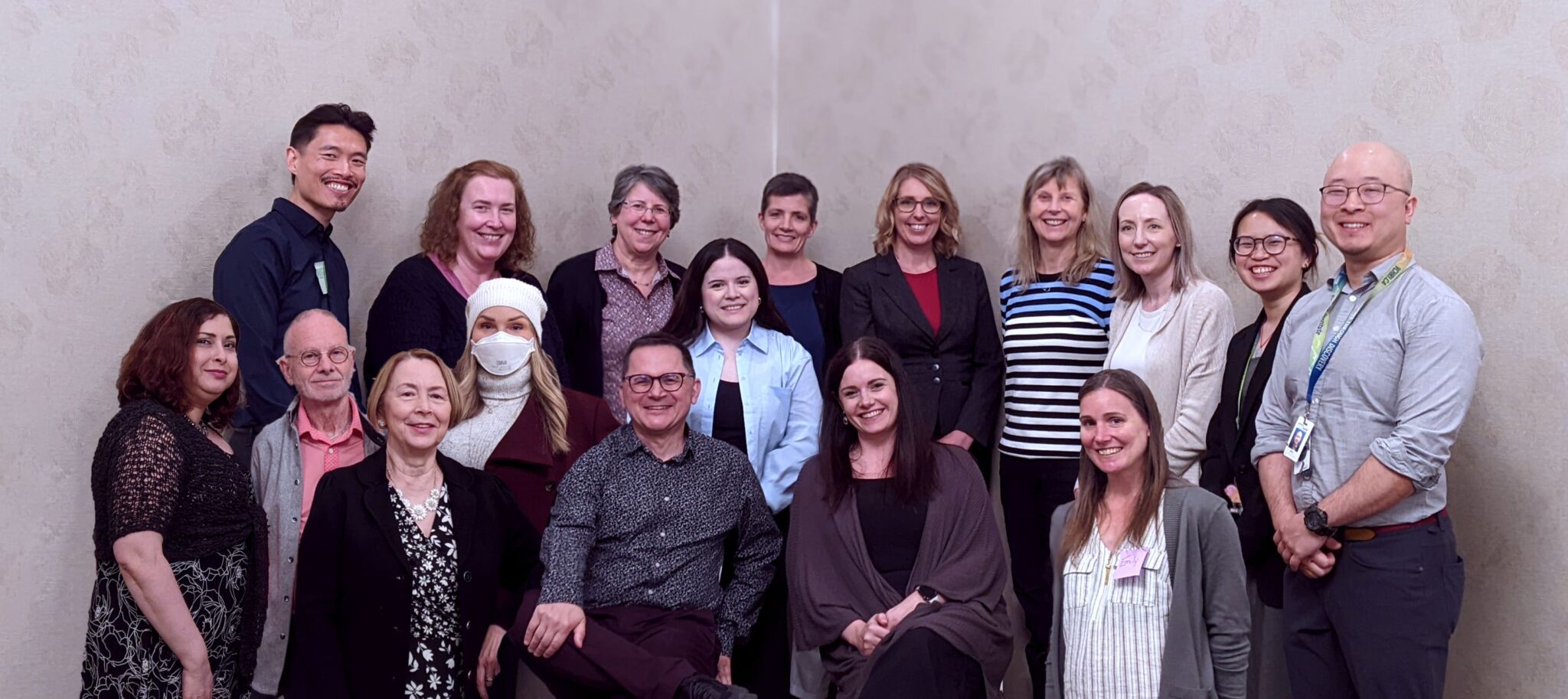
The PERC is a group of patient and family partners who act as an advisory group to the BC-POPRC.
They provide a vital lived experience perspective to practice-based research programs, run by BC-POPRC members.
Why practice-based research?
Practice-based research is led by teams of clinicians or allied healthcare staff. It aims to improve the way care is done and address real-world problems in the health system.
When done with a patient-oriented research approach and in partnership with the right groups, it can lead to:
- Retention of healthcare staff.
- Better patient experiences.
- Improved healthcare services.
Patient-oriented, practice-based research helps…
- Patients by improving safety, healthcare quality and outcomes.
- Clinicians and allied healthcare professionals by increasing job satisfaction and empowering better practice based in evidence.
- Health organizations by fostering staff retention, cost effectiveness and a research-positive culture.
Showcase brings people together to improve care and patient outcomes
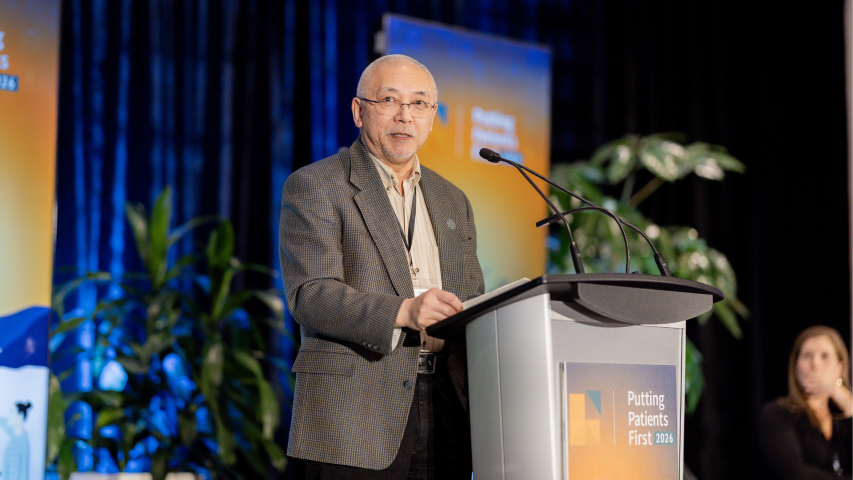
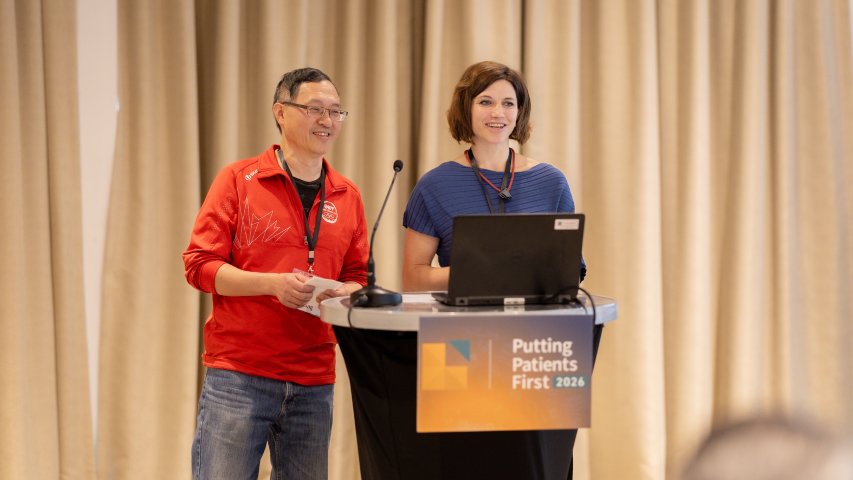
Allied healthcare professionals, patients and researchers gathered on November 13, 2024, to share research that improves care.
The Patient-oriented, Practice-based Research Showcase brought together almost 60 people to share, celebrate and highlight practice-based research in BC.
Held on November 13, the showcase brought together diverse groups to build connections and share learnings on research that takes place in clinical settings, with allied healthcare professionals. Attendees included healthcare professionals, patients and family partners, researchers and point-of-care staff.
“The showcase demonstrated the importance of health authorities and organizations working collaboratively to support practice-based research in BC,” says Larry Mróz, showcase co-chair and patient-oriented research capacity development lead, BC SUPPORT Unit. “The research projects that took part presented their own research findings but also demonstrated how patient-oriented, practice-based research had a positive impact in improving care.”
Practice-based research is led by teams of clinicians or care staff. It aims to improve how care is delivered and addresses real-world problems in the health system. When done in partnership with the right groups, it can lead to better patient experiences, improved healthcare services and retention of healthcare staff.
The event marked the first time that five BC healthcare organizations gathered in one space to showcase and share their learnings on practice-based research.
Highlights included presentations from five teams, each from a different practice-based research program in BC. Three of these presentations included a patient or family partner co-presenter, highlighting the collaborative, patient-oriented nature of the work. Patient partners who support the various practice-based programs as an advisory group, were involved in planning the showcase and helped introduce the presenting teams.
“Patient partners have been involved in every aspect of the practice-based research programming, bringing lived experience that grounds the research in real-world needs,” says Kristi Coldwell, showcase co-chair and patient partner with the patient advisory group. “Their insights and perspectives are not just valuable — they are essential, shaping the research and amplifying its impact.”
The presentations covered a wide range of topics, demonstrating the breadth of practice-based research taking place across BC. This included counselling for gender diversity, a peer mentorship program for heart transplant recipients and patient experiences with post-treatment challenges.
The BC SUPPORT Unit, part of Michael Smith Health Research BC, hosted the Patient-oriented, Practice-based Research Showcase.
BC-POPRC member organizations provided funding and support for teams that presented, through their practice-based research challenges. PERC members co-chaired the event and provided vital insights throughout the process.
Patient-oriented, practice-based research is led by teams of clinicians or allied healthcare staff. It aims to improve the way care is done and address real-world problems in the health system.
When done with a patient-oriented approach and in partnership with the right groups, it can lead to better patient experiences, improved healthcare services and retention of healthcare staff.
Patient-oriented, practice-based research helps:
- Patients by improving research, healthcare quality and outcomes.
- Clinicians and allied healthcare professionals by increasing job satisfaction and empowering better practice based in evidence.
- Health organizations by fostering staff retention, cost effectiveness and a research-positive culture.
Member organizations of BC-POPRC run an annual program called the Practice-based Research Challenge. These programs provide point-of-care clinical staff who are new to research with the opportunity to learn basic research skills, work with a mentor, and develop a small-scale research project with the potential to improve practice and patient care.
Visit each organization to learn more about their research challenges:
- Vancouver Coastal Health
- BC Cancer
- BC Children’s and Women’s
- BC Mental Health and Substance Use
- Fraser Health
- Island Health
- Providence Health