In 2016, the BC SUPPORT Unit funded a five-year initiative to study the methods of patient-oriented research: the “Methods Clusters.” The Methods Clusters studied the way patient-oriented research is done, and how it could be better.
Want to know how the Methods Clusters started? Learn more.
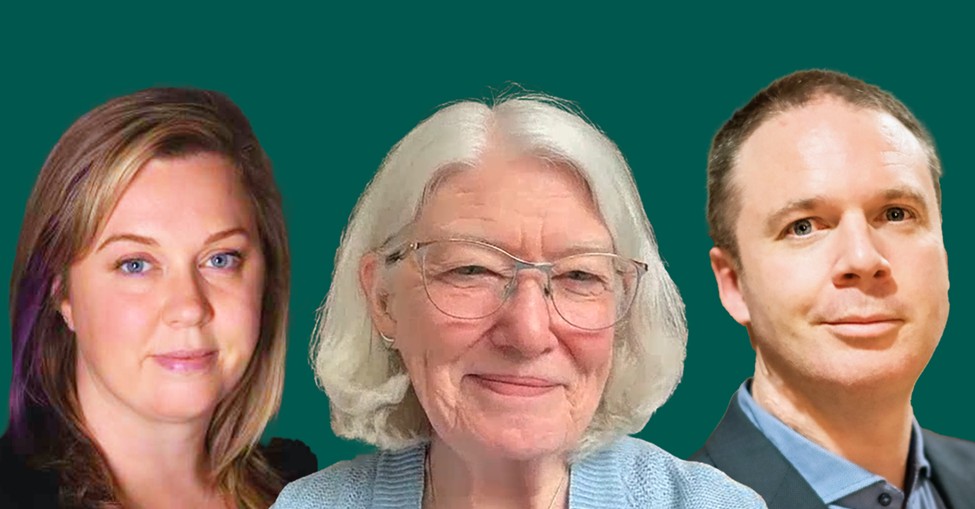
Interviews with leaders from the Methods Clusters
We interviewed three BC leaders in patient-oriented research methods: Drs. Davina Banner-Lukaris, Nick Bansback, and Martha MacLeod. They shared the joys and challenges of engaging people with lived experience in their methods research.
Explore the series:
Dr. Davina Banner-Lukaris shares the joy and heartbreak of engaging people with lived experience
“I think the beauty and depths of the relationships you build are amazing. That surprised me. You work so closely with people, you become colleagues, you become friends, you then become family. But there’s hard things that can come with that. With complex health conditions, people deteriorate, experience health crises. That’s the emotional reality of these partnerships. Patient partnerships humanize the research process. When a patient partner shares their experiences, we all become patients.”
Read moreDr. Nick Bansback shares the strengths and challenges of patient engagement in research
“One thing I wasn’t ready for, and was really healthy on reflection, was involving patient partners in budget decisions around the research spending. If they’re going to be a partner – a true partner – that doesn’t mean just having them come in on certain meetings and then exclude them from others.”
Read moreDr. Martha MacLeod shares how patients changed her journey
“What I learned, and this is what the patients taught us, was that we are not just patients. We are people with careers. We are people with life experiences. We are people with areas of expertise that research teams need. And by the way, we’re patients. I think that’s a key piece that’s going to keep patient-oriented research moving forward differently.“
Read more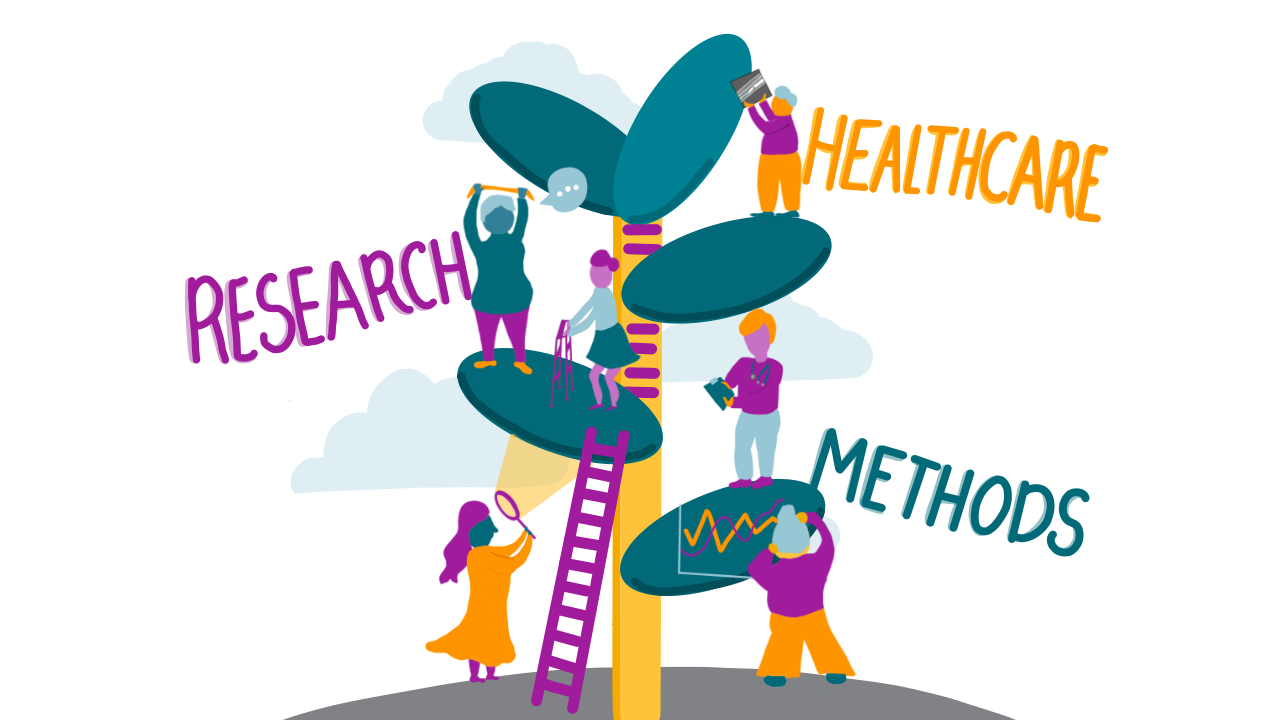
Blog: The Methods Section
To answer commonly asked questions about the Methods Clusters in an accessible way, the leads of each Cluster contributed to a blog called the Methods Section. This blog aimed to peel back the curtain of each Methods Cluster and share what it’s like to study the methods of patient-oriented research.
Read the blog posts:
- The Methods Clusters: Lessons in methods research
- What are methods?
- Do we need to translate “Knowledge Translation Science?”
- Patient-oriented research needs health economics because?
- How do we measure what matters to patients… well?
- 4 reasons to write in plain language and why it’s easier than you think
- Beyond pronouns and rainbow logos
- How do we do diverse patient engagement — better?
- The pandemic is forcing us to improve health care. My thoughts on how.
- Rethinking how we design clinical studies
- Why are pragmatic clinical trials important for our health system?
Methods Clusters Summaries
These summaries provide a snapshot of each Methods Cluster, why they were important, and the types of research questions explored by different projects and team members.
View and download the summaries:
- Data science and health informatics (PDF)
- Health economics and simulation modelling (PDF)
- Knowledge translation and implementation science (PDF)
- Real world clinical trials (PDF)
- Patient-centered measurement (PDF)
- Patient engagement (PDF)
About the Methods Clusters
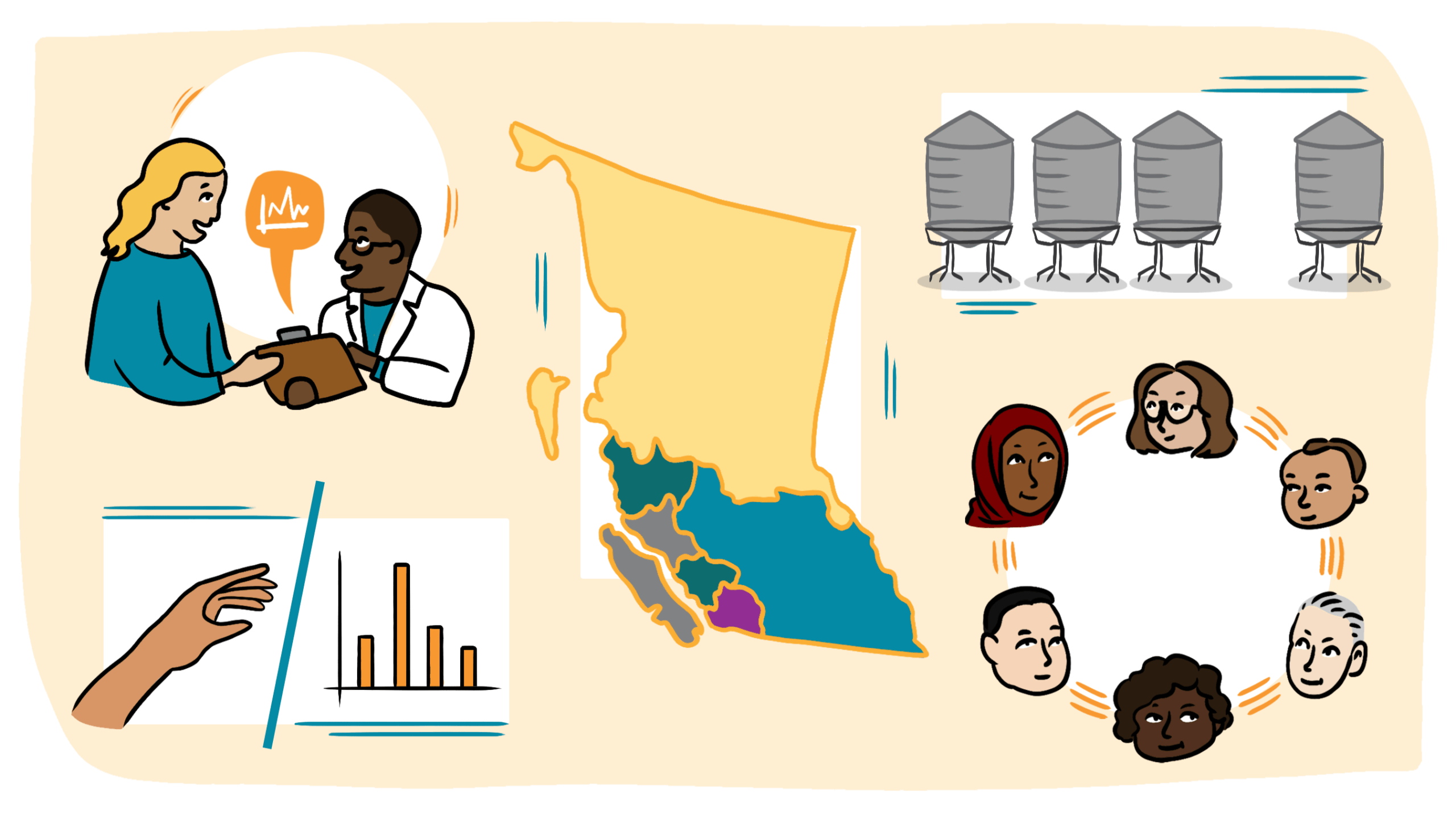
In 2016, the BC SUPPORT Unit funded a five-year initiative to study the methods of patient-oriented research. Called the “Methods Clusters,” this initiative studied the way patient-oriented research is done, and how it could be better.
The BC SUPPORT Unit started this work by listening to interest-holders — including patients, researchers, policy makers, and practitioners. Together, we identified six areas where more methods research was most important. These became the six Methods Clusters:
- Data science and health informatics
- Health economics and simulation modeling
- Knowledge translation and implementation science
- Real world clinical trials
- Patient-centered measurement
- Patient engagement
Each Methods Cluster consulted their interest-holders, asking: “What is most important to you? In our Cluster area, what are your priorities for patient-oriented research?”
From this, 35 priorities surfaced. To address these priorities, the Clusters funded 42 different projects. All of them were patient-oriented.