Picture this: someone with a rare disease, tired of unknowns, launches a research study from their kitchen table.
That’s patient-initiated research – putting people with lived experience in the driver’s seat.
“Researchers and scientists, they’re very good at research. But without lived experience of a health condition, you can never truly understand what patients are going through,” says Larry Mróz, Patient and Community Engagement Lead with the BC SUPPORT Unit.
“Patient-initiated research takes the guesswork out of what research questions are relevant to patients. It is not hoping priorities align – it is working so that priorities do align.”
The BC SUPPORT Unit moves research evidence developed with patients and communities into practice. Recently, it coordinated a series of academic articles that focus on patient voices, including some authored by patients themselves.
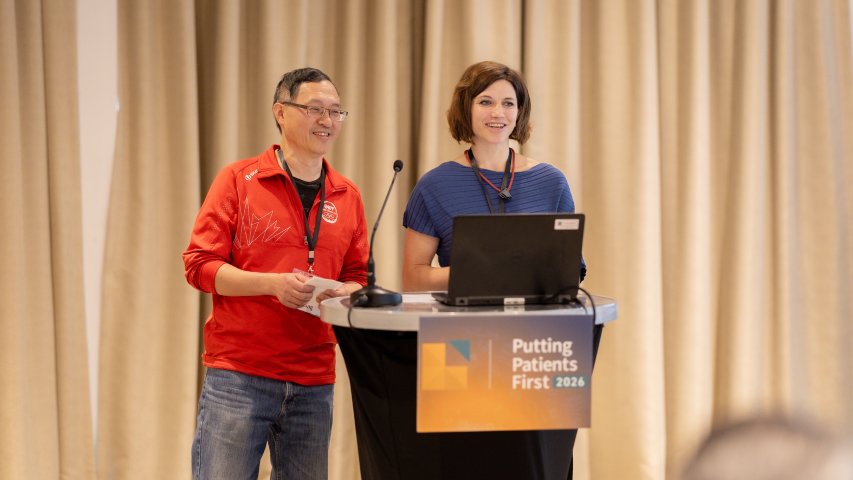
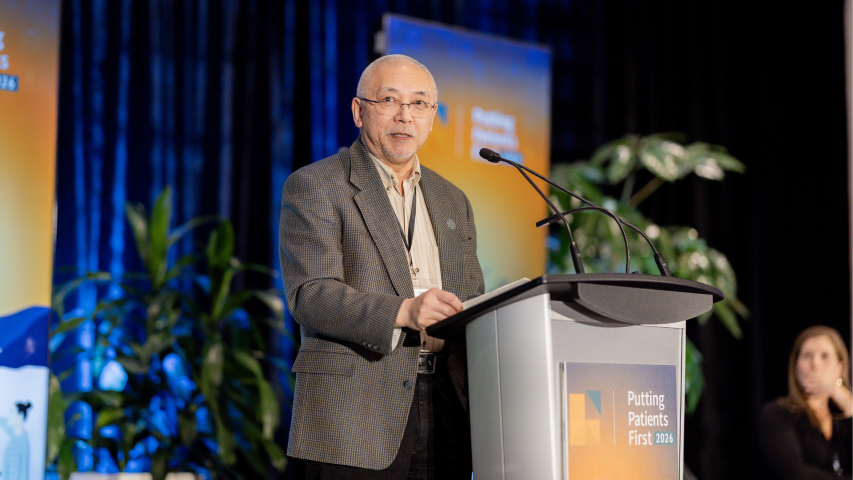
Larry co-authored an article on patient-initiated research alongside Sunny Loo, who lives with a rare form of vasculitis. Sunny lends his experience living with his autoimmune condition to improve health research.
“When I was a research participant, it was very, very impersonal,” Sunny says. “But with patient-initiated research, it’s different. It’s very insightful to have a say in how the process works and to see the results.”
Patient-initiated research focuses on elevating people with lived experience beyond simply participating in research. Patients help design projects from start to finish, and can initiate the research process to find relevant answers about the medical condition they live with.
“Patient-initiated research shifts the power dynamic from researcher-led decision-making to a shared, collaborative process within a team,” Sunny and Larry explain in the paper.
The paper shares how researchers and patients worked toward a common goal. The authors identified factors specific to supporting patient-initiated research that the BC SUPPORT Unit should consider when helping connect patient partners with researchers to ensure successful team building.
It explores:
- Training: Patients bring a wealth of expertise from their lived experience, and researchers bring training from a traditional academic background. Patients may need training on research processes.
- Communication: People involved in patient-initiated research said collaborative approaches and consensus decision-making helped their projects run smoothly.
- Logistics: Some tools researchers take for granted, such as academic library subscriptions through their institution, may not be available to patient members of the team.
Patient-initiated research may cost more and take longer, but it can deliver more valuable results, the paper says.
“A lot of money is spent on research and development of products and treatments. But only a small percentage have a direct, immediate impact,” Sunny says. “The more you get patients involved the more you can target and focus the research on what is important.”
Learn more
Read the patient-initiated research paper authored by Larry, Sunny, Laurel Radley, Sarah Mullins, Rhyann Fairbrother, and Linda Li: https://www.facetsjournal.com/doi/full/10.1139/facets-2025-0038
Read the suite of BC SUPPORT Unit articles in FACETS: https://www.facetsjournal.com/topic/advancing_patient-oriented_research
Stay informed
Subscribe to our newsletter and follow us on LinkedIn and Bluesky for updates.