
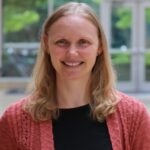
This project is one of six projects supported through the 2026 Advancing Groundbreaking Research in Alzheimer’s and Parkinson’s Diseases – Team Award. Meet the research team members.
This funding opportunity is made possible by the Canada Brain Research Fund (CBRF), an innovative arrangement between the Government of Canada (through Health Canada) and the Brain Canada Foundation, in partnership with the Alzheimer Society of BC and Yukon, Branch Out Neurological Foundation, CLEAR Foundation, Health Research BC, Pacific Parkinson’s Research Institute, Parkinson Society BC, and the Patrick & Dulcie Lenox Endowment.
Project summary
People with long‑lasting gut inflammation, such as those with inflammatory bowel disease (IBD), have a higher chance of developing Alzheimer’s disease (AD). Scientists know the gut and brain communicate, but we still do not understand how changes in gut bacteria might contribute to brain inflammation, memory problems, and earlier dementia. This research aims to fill that gap.
Using specialized mouse models that can be colonized with gut bacteria from people with IBD or healthy volunteers, we will study how different microbiomes affect memory, brain inflammation, blood flow in the brain, and the buildup of proteins linked to AD. We will also test whether transplanting healthier gut bacteria can reverse harmful effects.
We expect to identify specific bacteria that influence brain health and to map how gut changes lead to brain changes. This work will help shape future microbiome‑based clinical trials, inform care for people with chronic inflammatory conditions who are at greater risk of AD, and lay the groundwork for gut‑focused therapies that support healthy brain aging.
People with lived/living experience (PWLE) of dementia, Alzheimer disease, and early cognitive impairment, along with their caregivers and family members, will be actively involved throughout the project. We will establish a PWLE advisory board to provide feedback on research priorities and help ensure the research addresses issues that matter most to patients and families, including quality of life, symptom burden, and the acceptability of future treatments.
This project is based in British Columbia and is a team effort between Dr. Annie Ciernia, Dr. Carolina Tropini, Dr. Khaled Abdelrahmen, Dr. Thomas Velenosi and Dr. Xin Xang.
Team members
Role: Principal investigator
Department: Biochemistry and Molecular Biology
Position: Assistant Professor
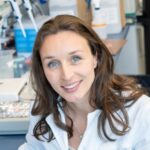

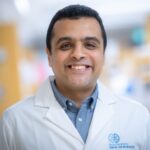
Role: Collaborator
Department: Department of Anesthesiology, Pharmacology, and Therapeutics
Position: Assistant Professor
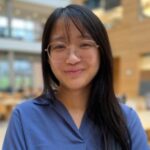
Claire Sie
Role: Trainee
Department: CELL Graduate Program
Position: PhD Student

Catalina Pascualy
Role: Trainee
Department: Neuroscience
Position: PhD Student

Role: Collaborator
Department: Molecular and Systems Pharmacology
Position: Assistant Professor

Xin Tang
Role: Collaborator
Department: Computer Science
Position: Assistant Professor

Alex He-Mo
Role: Trainee
Department: Computer Science
Position: MSc Student